
Australian Partner Visa: Four Pillars of a Genuine Relationship
The Australian Partner (Spouse/De Facto) Visa is a crucial pathway for family reunification, yet it operates under some of the most rigorous assessment processes, particularly in distinguishing genuine relationships from fraudulent ones.
The Australian Department of Home Affairs (DHA) looks beyond the marriage certificate, placing its primary focus on establishing the “Genuine and Continuing Relationship.” If your application lacks compelling evidence, the risk of refusal is significantly high.
MK Lees Immigration will analyze the Four Key Aspects the DHA uses to evaluate your relationship.
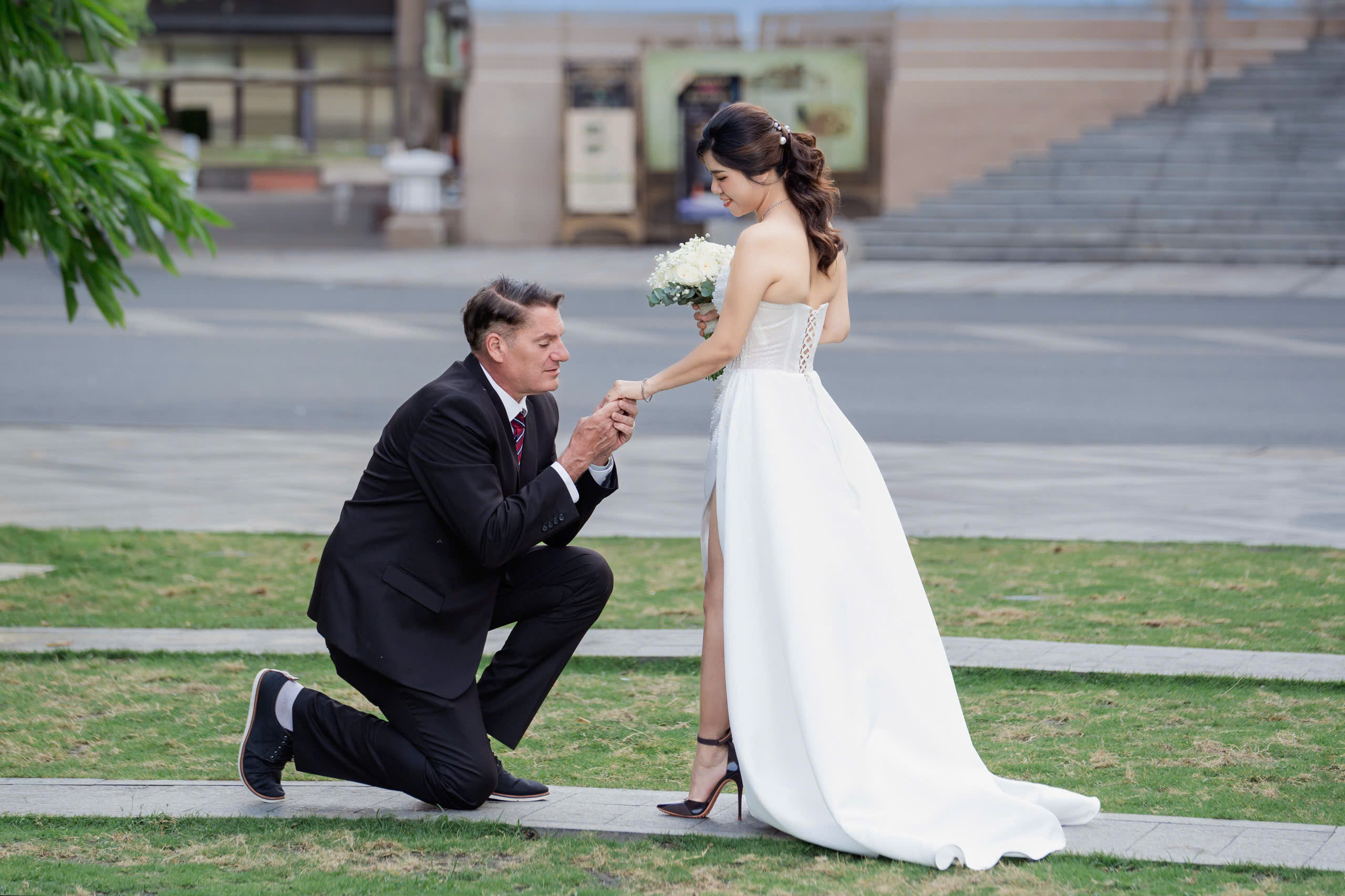 The DHA assesses relationships based on four core aspects: Financial, Household, Social, and the Nature of Commitment.
PART 1. Analysis of the 4 Core Assessment Criteria
While every relationship is unique, the Department of Home Affairs consistently focuses on four main areas to prove the genuine and continuing nature of a relationship:
1. The Nature of the Couple’s Commitment
This aspect focuses on the quality of the emotional connection, exclusivity, and the long-term nature of the relationship. It serves as proof of intent to build a future together. Assessing officers want to see that your relationship goes beyond convenience or mere visa objectives.
Evidence required includes:
- A detailed Relationship Statement covering the history of the relationship, key milestones, and the decision to commit to a shared life.
- Proof of exclusive commitment (e.g., no other relationships, finalization of previous marriages/partnerships).
- Evidence of deep understanding of each other’s history, family, and personal lives.
- Future plans such as having children, purchasing major assets, or joint life goals.
2. The Financial Aspects of the Relationship
A genuine relationship typically involves sharing and managing finances jointly. This evidence is concrete and arguably the most difficult to fabricate. If a couple maintains completely separate finances, it will be viewed as a significant negative factor.
Evidence required includes:
- Joint Bank Accounts used for daily expenses, household expenditure, and savings.
- Co-signed major loans (mortgage, loan) or credit cards.
- Proof of joint ownership of major assets such as property, cars, or investments.
- Insurance documentation (life, medical) listing the partner as a Beneficiary.
3. The Nature of the Household
This is evidence that the two people genuinely live together and share the responsibilities of daily life. This aspect demonstrates the stability and practical reality of cohabitation.
Evidence required includes:
- Proof of Joint Residence such as tenancy agreements, property purchase documents, or letters from landlords (all listing both partners at the same address).
- Utility bills (electricity, water, gas, internet) addressed to both partners at the same address.
- Evidence of sharing housework, household management, and childcare (if applicable).
- Documents showing important correspondence is sent to both partners at the joint address (e.g., insurance papers, bank notices).
4. The Social Aspects of the Relationship
The relationship must be widely acknowledged by the community, family, and friends. This aspect confirms the relationship is neither a secret nor an arrangement.
Evidence required includes:
- Statutory Declarations from friends, family, and colleagues confirming they know about the relationship and believe it to be genuine (This is extremely important evidence).
- Joint photographs spanning various events, celebrations, trips, and social activities.
- Evidence of introducing the partner to family (relatives) and close friends.
- Proof of being listed as a partner on formal records (e.g., insurance, Superannuation, medical records).
PART 2. No Two Relationships Are The Same: The Challenge of Comprehensive Evidence
While the DHA’s assessment principles acknowledge that “no two relationships are the same,” this very difference is the source of the greatest challenge for applicants.
The Challenge is clear: To prove the relationship is genuine, very few couples can provide full and perfect evidence according to the standard template across all four aspects simultaneously. Typical examples include:
- Newly Married Couples: Often lack major joint assets or long-term joint bank account history (Weak Financial Aspect).
- Couples Living Apart (e.g., for work): Face difficulty providing evidence for the Nature of the Household/cohabitation (Weak Aspect 3).
- Older Couples: The relationship may be private, less publicized on social media, or lack Statutory Declarations from friends (Weak Social Aspect).
PART 3. The Strategic Role of a Registered Migration Agent (MARA Agent)
Because every relationship is unique, the core challenge is providing compelling, case-specific evidence. The role of a Registered Migration Agent (MARA Agent) is to provide a customized strategy to ensure your application is rock solid:
- Risk and Weakness Assessment: The MARA Agent analyzes your application to immediately identify which evidence areas are lacking (e.g., lack of joint finances due to a new relationship, lack of cohabitation evidence due to separation for work).
- Developing a Persuasive Narrative: Guiding you in drafting your Relationship Statement to logically and legally explain why your case is unique or why evidence is missing in a specific area. The goal is to turn a potential weakness into a logical explanation.
- Maximizing Alternative Evidence: For unique circumstances (like living apart), the Agent helps you focus on gathering other critical proofs (e.g., extensive communication logs, financial transfers, shared travel plans) to compensate for missing traditional evidence.
- Ensuring Legal Compliance and Accuracy: Overseeing the drafting of legal documents like Statutory Declarations to ensure they comply with Australian format and effectively reinforce the four DHA criteria.
In summary: Hiring a MARA Agent is not just about submitting forms; it is an investment in a Persuasive Strategy to ensure your love story is recognized as genuine by the DHA and complies with all stringent legal requirements.
PART 4. Advice from MK Lees Immigration
For your Partner Visa application to achieve the highest success rate, the evidence provided must be consistent, diverse, and cover all four of the above aspects comprehensively. Any omission or contradiction can lead to suspicion and rigorous individual interviews.
MK Lees Immigration with expertise in complex Partner Visa cases is committed to your success:
- Strategic Consultation to gather and organize the most optimal evidence for your specific case.
- Expert Assistance in drafting compelling Relationship Statements and Statutory Declarations.
- Guaranteeing your application meets the highest standards set by the Australian Department of Home Affairs.
Contact MK Lees Immigration today for specialist consultation on the Australian Partner Visa!